

Elite Training
The HKSI is the Government’s designated organisation to provide a world-standard training and support environment for high performance athletes, enabling them to excel in the international sporting arena.
Committed to providing science-based, athlete-centred support for elite training, we employ a multi-disciplinary biopsychosocial model. Sustained funding support also plays a pivotal role in athletes’ continuing success. The Elite Athletes Development Fund provides the HKSI with a stable, long-term source of funding, empowering the Institute to ensure financial stability for elite athletes so they can focus on training and international competitions.
The facilities at the HKSI include an indoor Sports Complex featuring world standard training venues for badminton, billiard sports, fencing, squash, tenpin bowling and wushu, alongside integrated sports facilities for Para athletes. The New Facilities Building provides dedicated venues for karatedo and table tennis, as well as sports science and sports medicine centres. These include two Fitness Training Centres under the Scientific Conditioning Centre, the Sports Biomechanics & Technology Centre, the Sports Medicine Centre, the Sports Nutrition & Monitoring Centre, and the Sports Psychology Centre. Further facilities comprise an Athletic Field, an international-standard indoor Swimming Complex, a Rowing Centre, and Tennis Courts. Off-site venues are also provided to ensure full support for all Tier A sports.

HKSI’s 21st Century Elite Training System
The HKSI’s elite sport system framework combines policy/management and science models to articulate a 21st century elite training delivery system.
It is an athlete-centred system bounded by best practice principles of corporate governance on the one hand, and the scientific principles of the biopsychosocial model on the other. The biopsychosocial model of athlete development recognises the interaction of biological, psychological and socio-cultural factors which impact athlete development.
The HKSI is structured to provide centralised, integrated support systems targeting all aspects of the athletes’ physiological, psychological, social support, and personal development needs. The critical success factors, which are directly related to the systematic development of elite athletes, are portrayed inside the circle, while support activities which are not directly related to individual athletes’ development but which improve the provision and efficient functioning of the elite training system, are portrayed outside the circle.
 Direct Financial Support to Athletes
In 2024/25, the HKSI provided HK$202.15 million to 1,506 athletes through six Direct Financial Support schemes (DFS) – Elite Training Grant (ETG), Elite Training Grant for Athletes with Disabilities (ETGD), Sports Aid Grant (SAG), Sports Aid Grant for Athletes with Disabilities (SAGD), Individual Athletes Support Scheme (IASS) and Jockey Club World Championships Performance Scheme (JCWCPS), to provide them with a financially stable environment in which to train and compete at Major Games.
Elite Training Grant
Sports Aid Grant
Elite Training Grant for Athletes with Disabilities
Sports Aid Grant for Athletes with Disabilities
Individual Athletes Support Scheme
Jockey Club World Championships Performance Scheme
Total
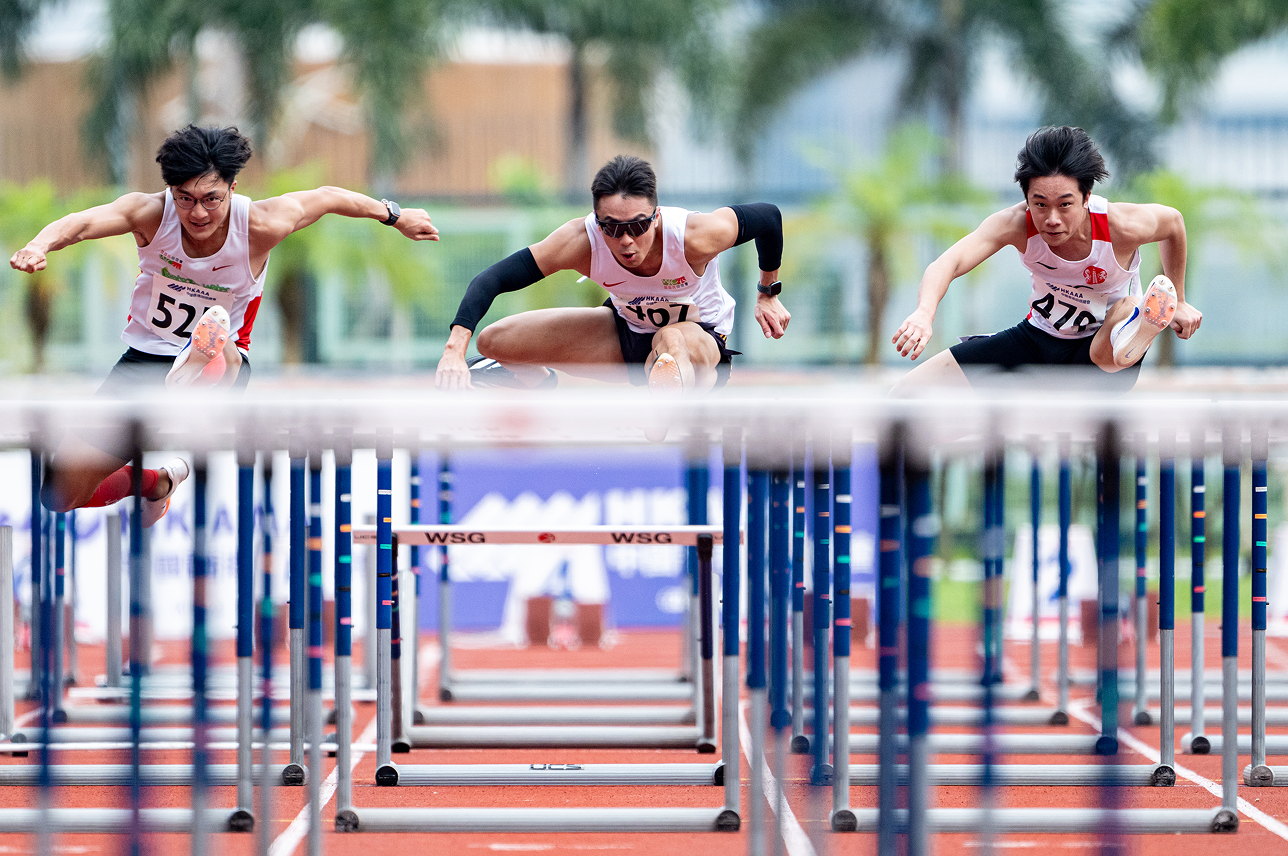
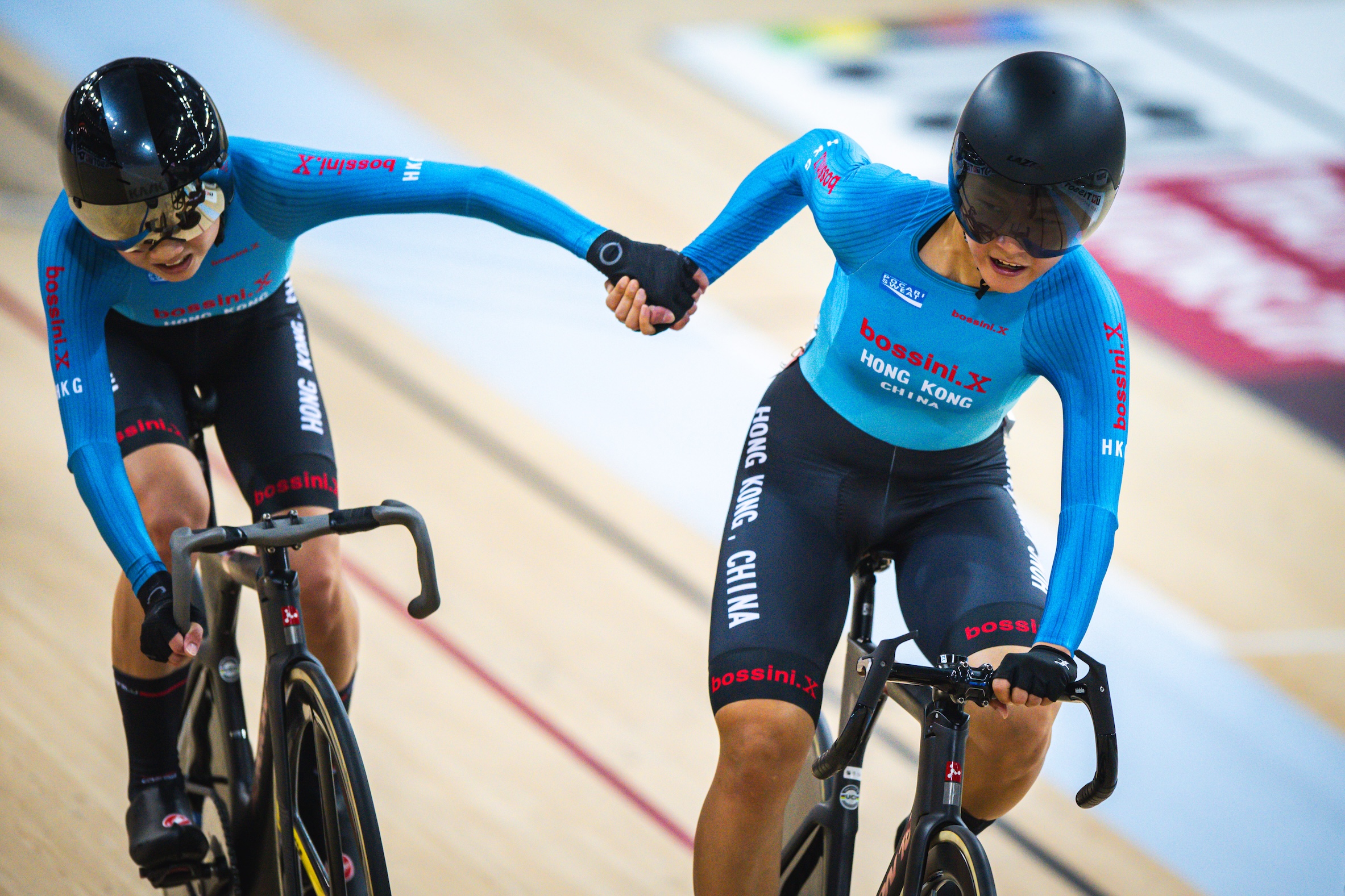
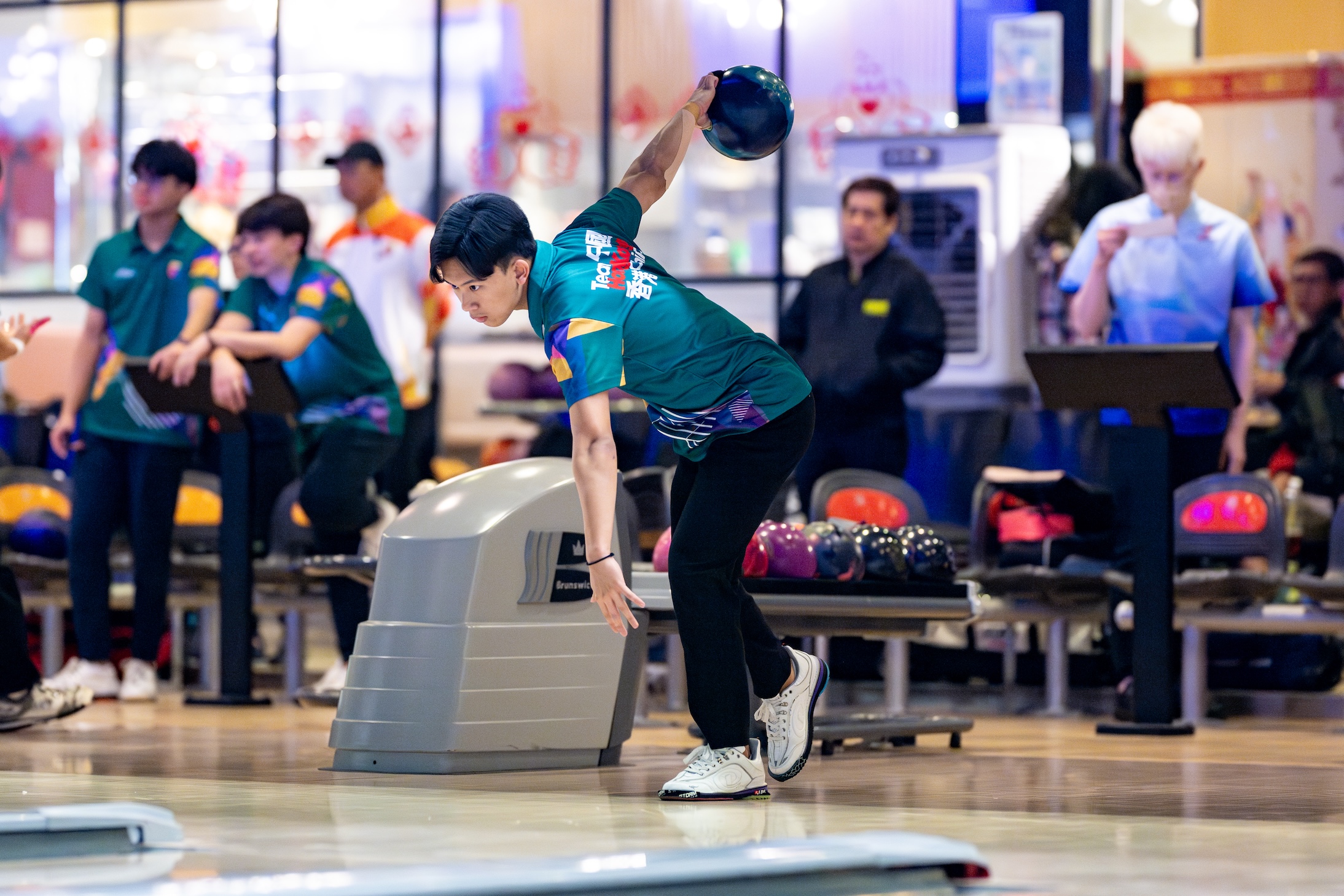
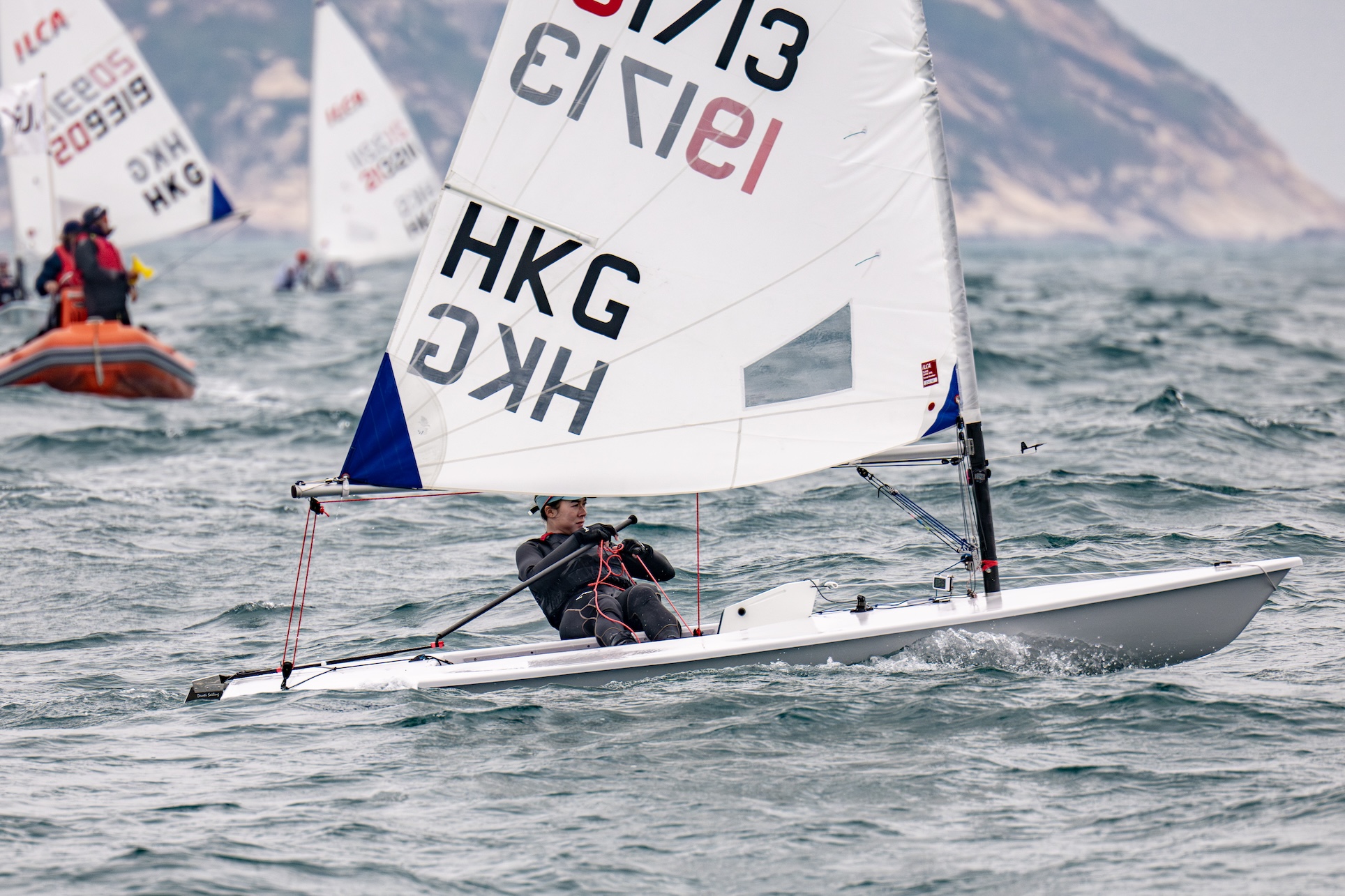
Under the Government’s Elite Vote Support Scheme (EVSS), senior and junior athletes’ achievements at major international competitions serve as the selection criteria for identifying the high performance sports to be supported by the HKSI for a four-year period. Sports are categorised into three levels: Tier A*, Tier A and Tier B. A review is conducted every two years and is aligned with the Asian Games and Olympic Games cycles to provide stable support.
In 2024/25, 20 Tier A sports – athletics, badminton, billiard sports, cycling, equestrian, fencing, gymnastics, karatedo, rowing, rugby sevens, sailing, skating, squash, swimming, table tennis, tennis, tenpin bowling, triathlon, windsurfing and wushu, were supported by the HKSI. These were provided with funding for elite training, coaching teams led by a Head Coach, full sports science and sports medicine support, and athlete development programmes. Six of these sports – badminton, cycling, fencing, swimming, table tennis and windsurfing, whose athletes have consistently performed at the highest level and have the potential to win medals at the Olympics were selected as Tier A* sports. They have also received additional resources required to enhance specific areas of their Olympic preparation programmes leading up to the Paris 2024 and Los Angeles 2028 Olympic Games.
Funding and support were also provided to 13 Tier B sports – contract bridge, dancesport, dragon boat, golf, judo, kart, lawn bowls, life saving, mountaineering, orienteering, roller sports, shuttlecock and taekwondo, to support the corresponding Elite Training Programmes.
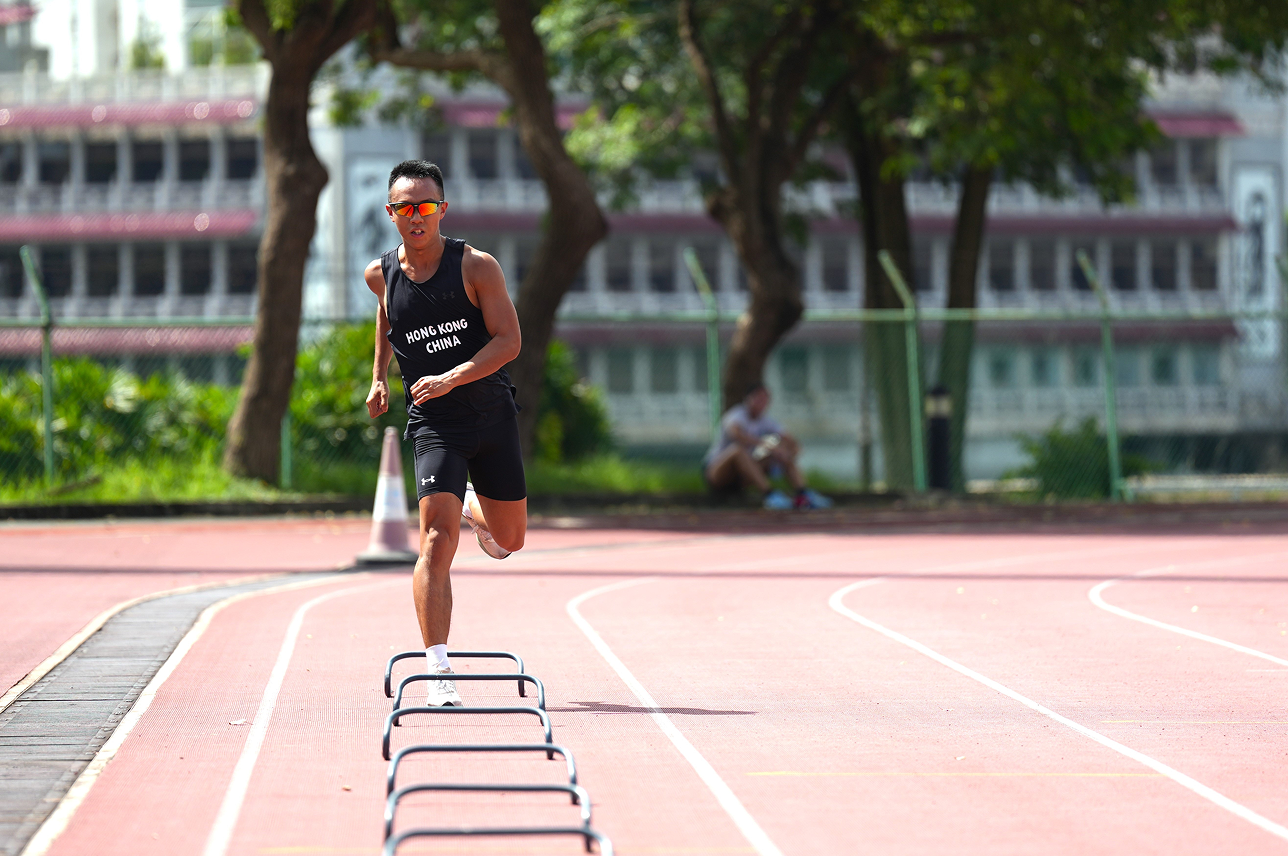
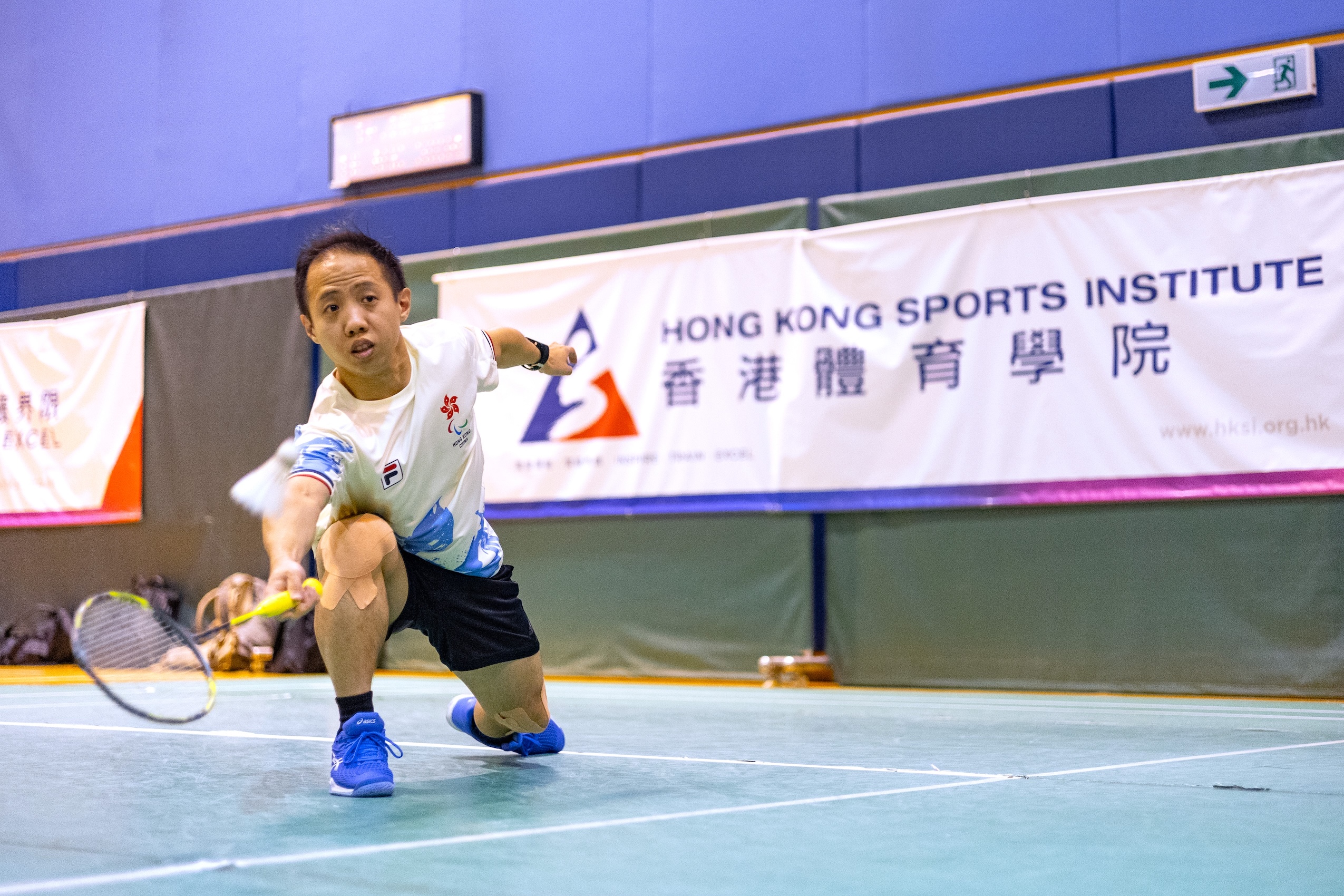
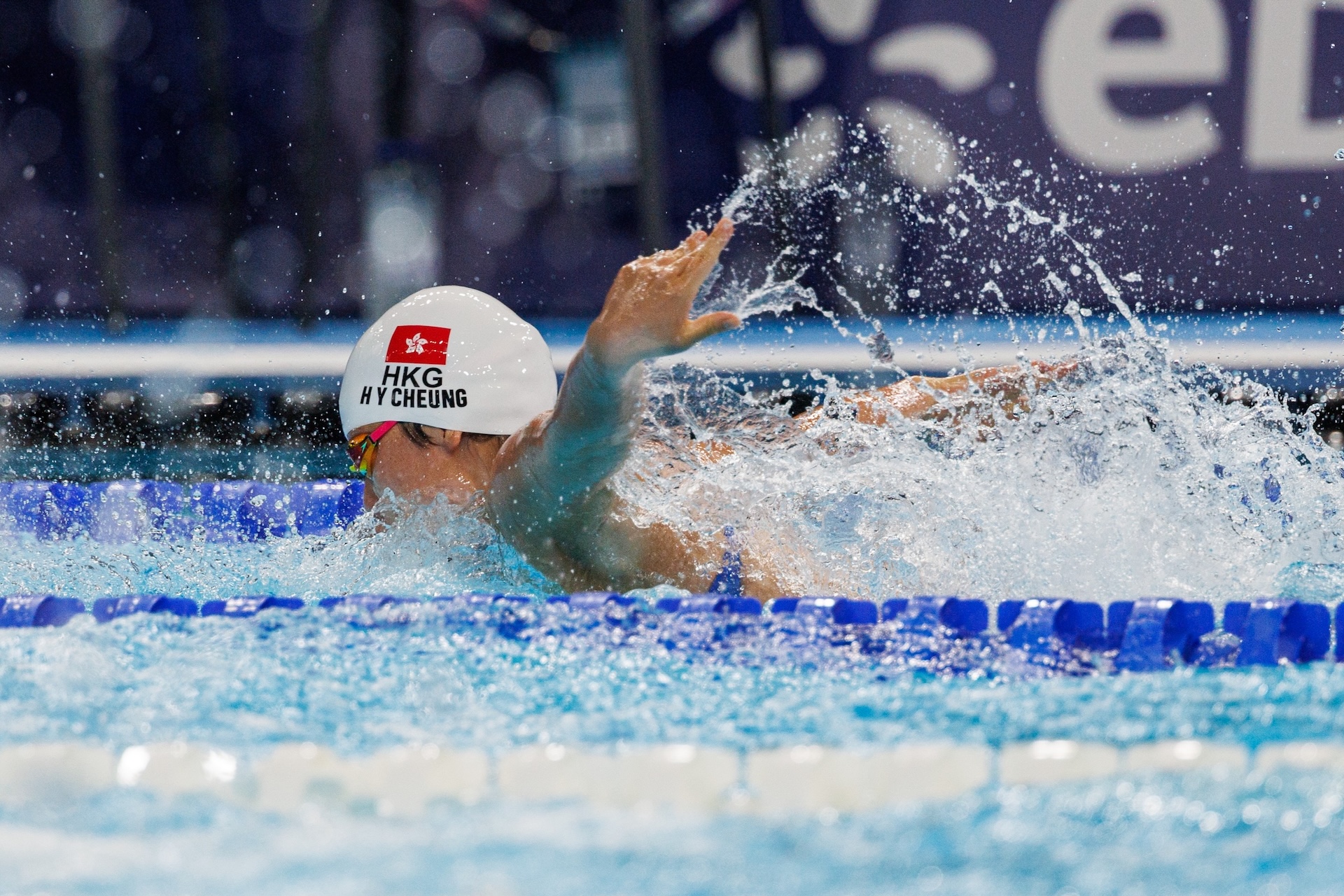
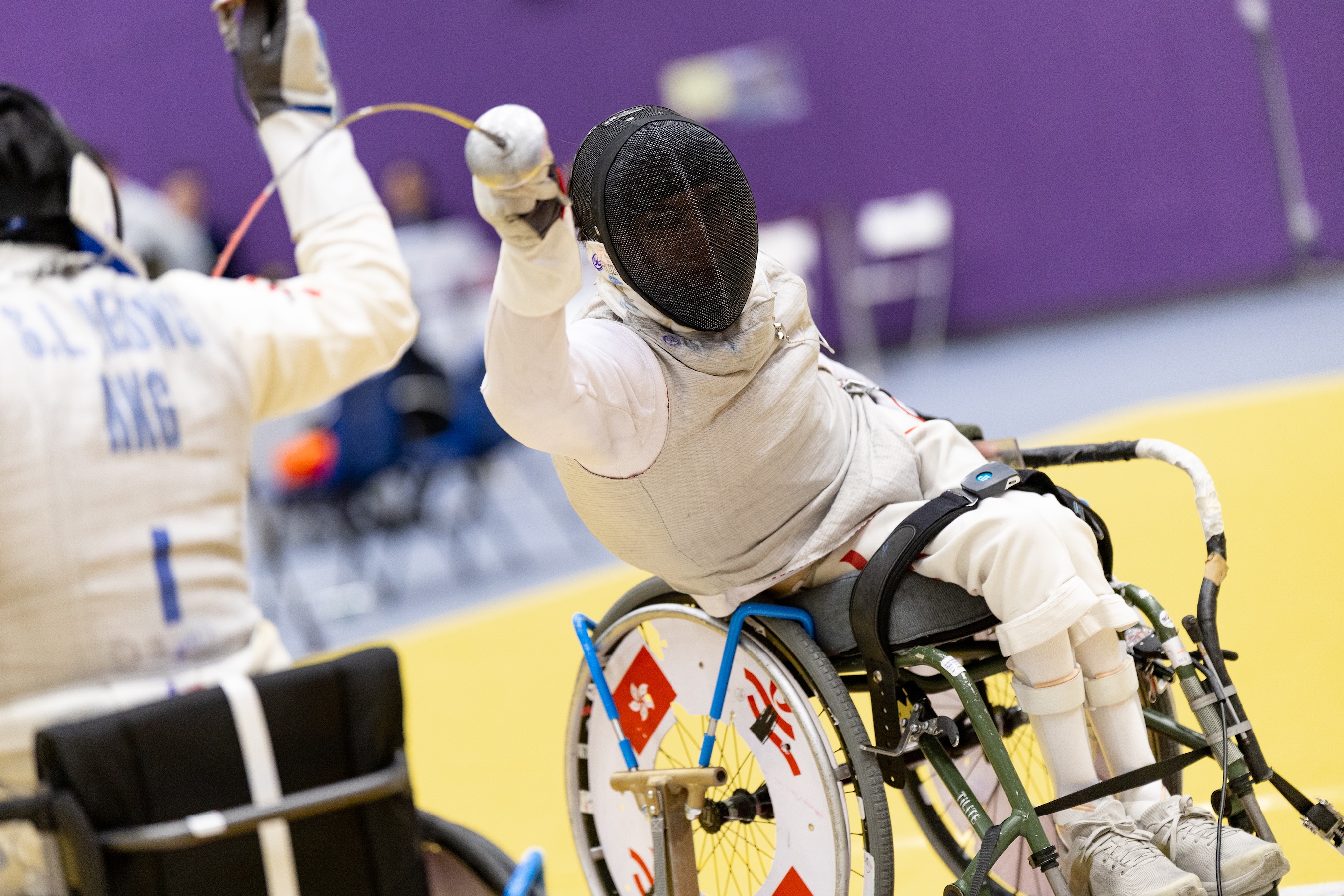
Under the EVSS for Para sports, athletes’ achievements at international competitions are used to identify Tier A and Tier B sports to be supported by the HKSI for a period of four years. Reviews aligning with the Asian Para Games and Paralympic Games cycles are conducted every two years. In 2024/25, Tier A sports included boccia, Para badminton, Para fencing, and Para table tennis for athletes with physical disabilities, and Para swimming and Para table tennis for athletes with intellectual disabilities. Tier B sports included Para athletics for athletes with intellectual disabilities, as well as Para lawn bowls and Para tenpin bowling for athletes with physical disabilities.
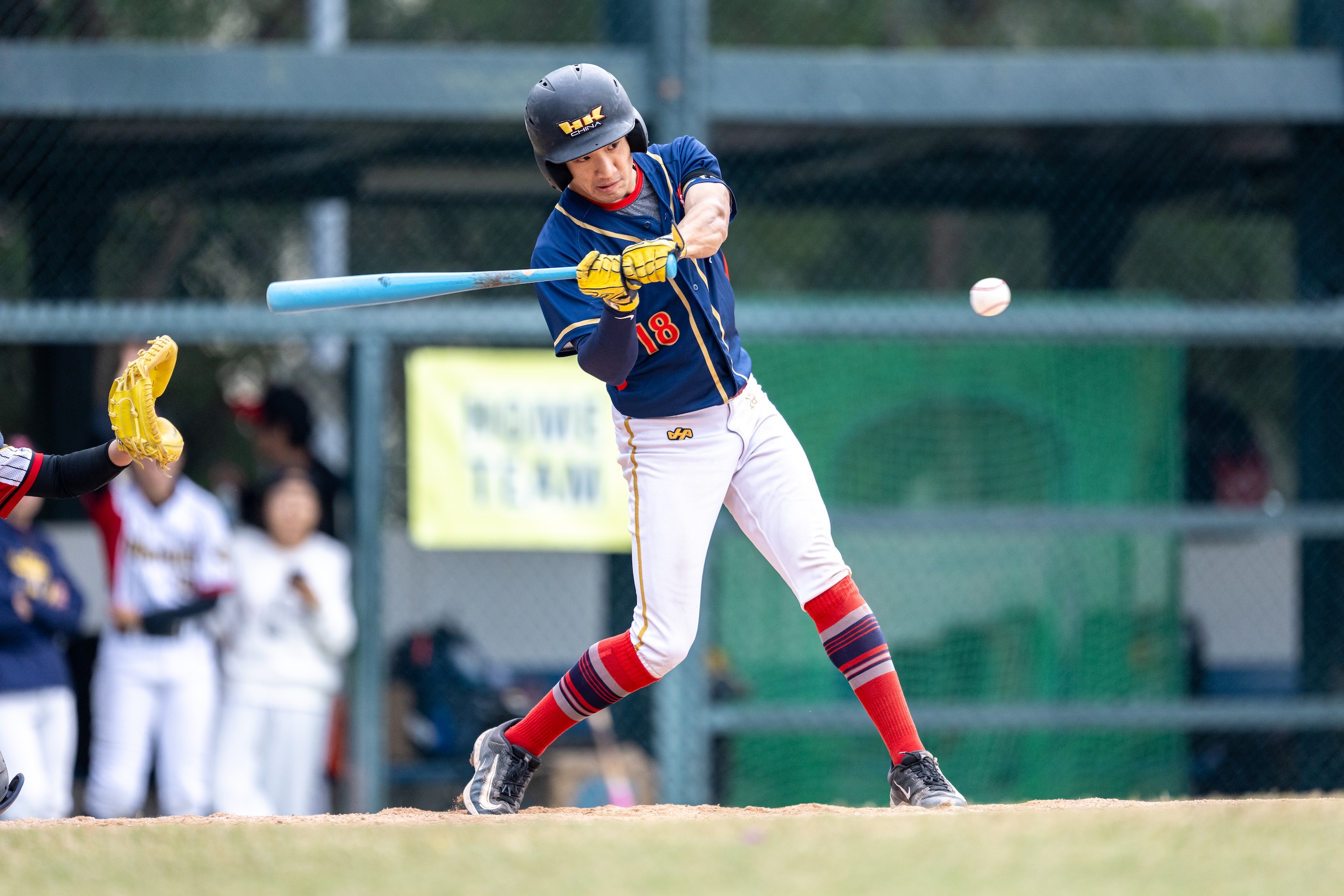
In order to enhance the development of team sports, the Government launched the Development Programme for Team Sports in January 2018. The HKSI has been appointed as the delivery agent to provide administrative support and professional advice for the Programme, which covers eight team sports with team sizes of five or more featured in the Asian Games, namely baseball (men), basketball, football (women), handball, hockey, softball (women), volleyball and water polo.
The Programme provides additional funding to the eight NSAs to formulate and implement training programmes for Hong Kong to compete in the Asian Games. The Government launched the Programme’s new round Programme’s new round in January 2024. With the existing training and competition support, this three-year Programme has introduced targeted support including the provision of additional resources to develop second-tier squads, dedicated funding for engagement of high performance coaches and strengthening of sports medicine support. From 2024 onwards, each representative team would receive funding up to HK$1.6 million per year according to the number of team members allowed to register at the Asian Games. Apart from the aforementioned funding support, members of the Hong Kong national squad and second-tier squad would receive a monthly allowance of HK$4,000 and HK$1,000, respectively, if they meet the training requirement.
In 2024/25, a total of HK$30.5 million was provided to support Tier A sports for international title events held outside Hong Kong, and their national and junior squad training programmes. The HKSI also provided HK$41.6 million to the Sports Association for the Physically Disabled of Hong Kong, China and the Hong Kong, China Sports Association for Persons with Intellectual Disability to support their Elite Training Programmes.
Overseas Support Provided to Athletes (No. of Staff Days)

Sports Biomechanics & Technology

Scientific Conditioning
Service Sessions Provided to Athletes
Sports Biomechanics & Technology
Scientific Conditioning
Participants in Talent Identification Programmes

Sports Science and Research Funding Scheme

Accumulated Projects Approved

Accumulated Fund Approved

Sports Covered
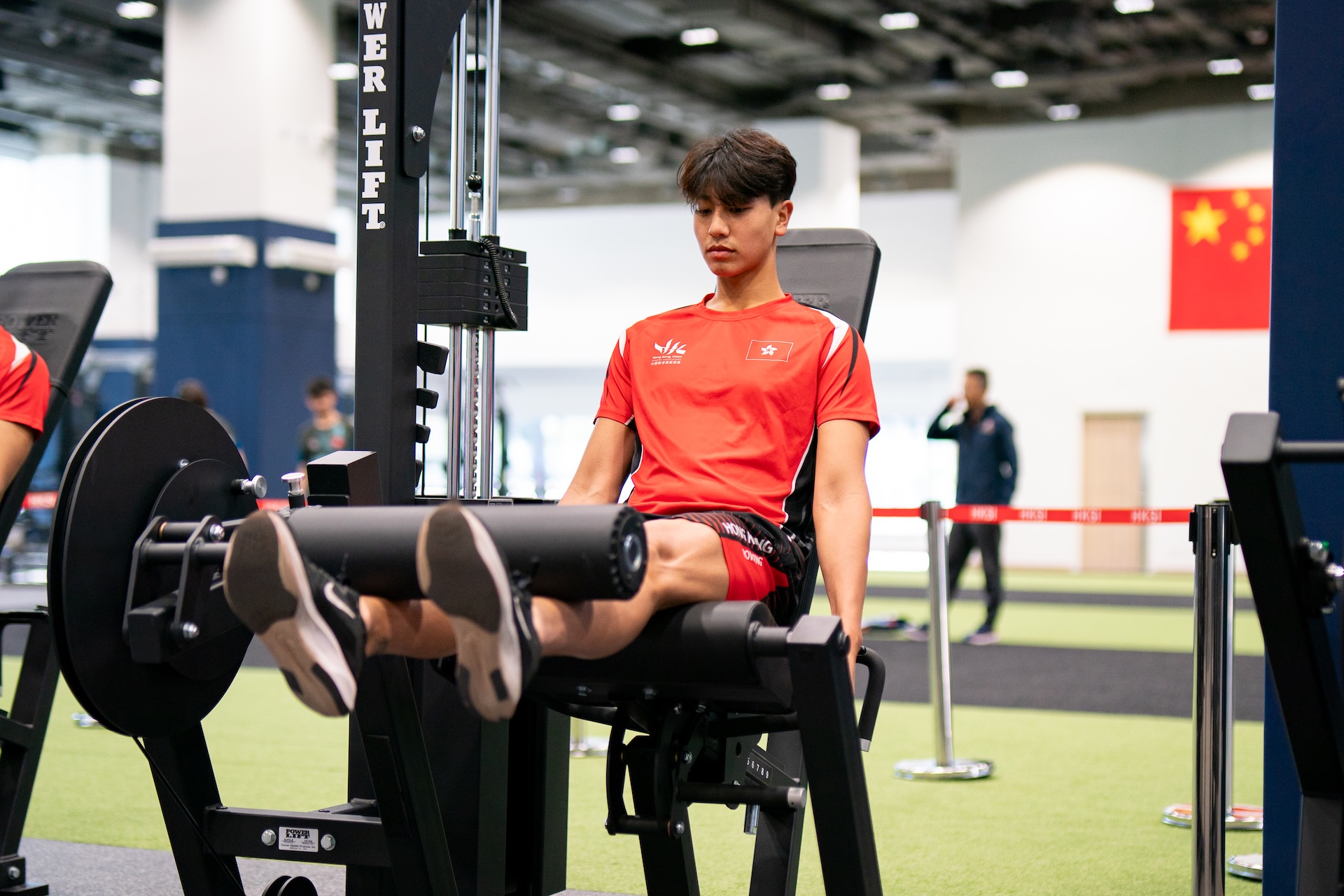
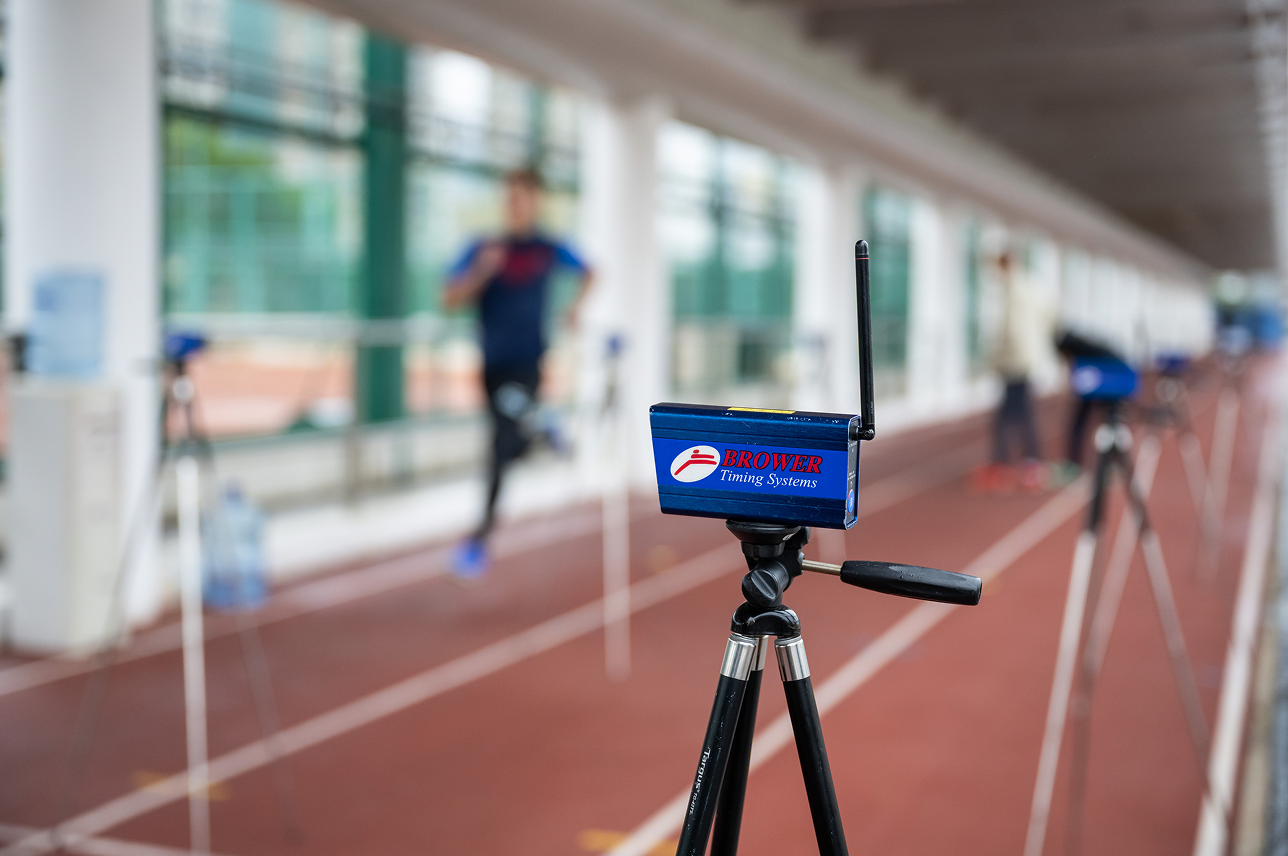
To deliver science-based, athlete-centred support for elite training, the Elite Training Science & Technology Division operates through three centres: the Scientific Conditioning Centre, the Sports Biomechanics & Technology Centre, and the Sports Information & External Affairs Centre. These centres work collaboratively to identify training challenges or concerns, and to develop evidence-based solutions with coaches, with the aim of optimising athletic performance.
Drawing on the specific demands of each sport and the individual needs of athletes, tailored strength and conditioning programmes are designed and implemented following thorough assessments and talent verification. Technical support is also provided through the analysis of sports skills and game strategies, alongside equipment enhancement through biomechanics and engineering.
In addition to direct performance support, the Division partners with NSAs to identify and develop potential athletes through structured Talent Identification & Development Programmes. It also facilitates knowledge exchange and capacity building by organising seminars, lectures, and workshops for athletes, coaches, NSAs, and both local and international academic and sports institutions. Publications are produced to support learning and foster collaboration between the HKSI and the wider elite sports science community.
Following the excellent results achieved by Hong Kong elite athletes at the Tokyo 2020 Olympics and Paralympics, the Government and The Hong Kong Jockey Club Charities Trust launched the HK$300 million Sports Science and Research Funding Scheme (SRFS) to strengthen and intensify support in sports science and sports medicine, to enable athletes to pursue sporting excellence in coming major international sports events.
Overseas Support Provided to Athletes (No. of Staff Days)

Sports Medicine

Sports Nutrition

Sports Psychology
Service Sessions Provided to Athletes
Sports Medicine
Sports Nutrition
Sports Psychology
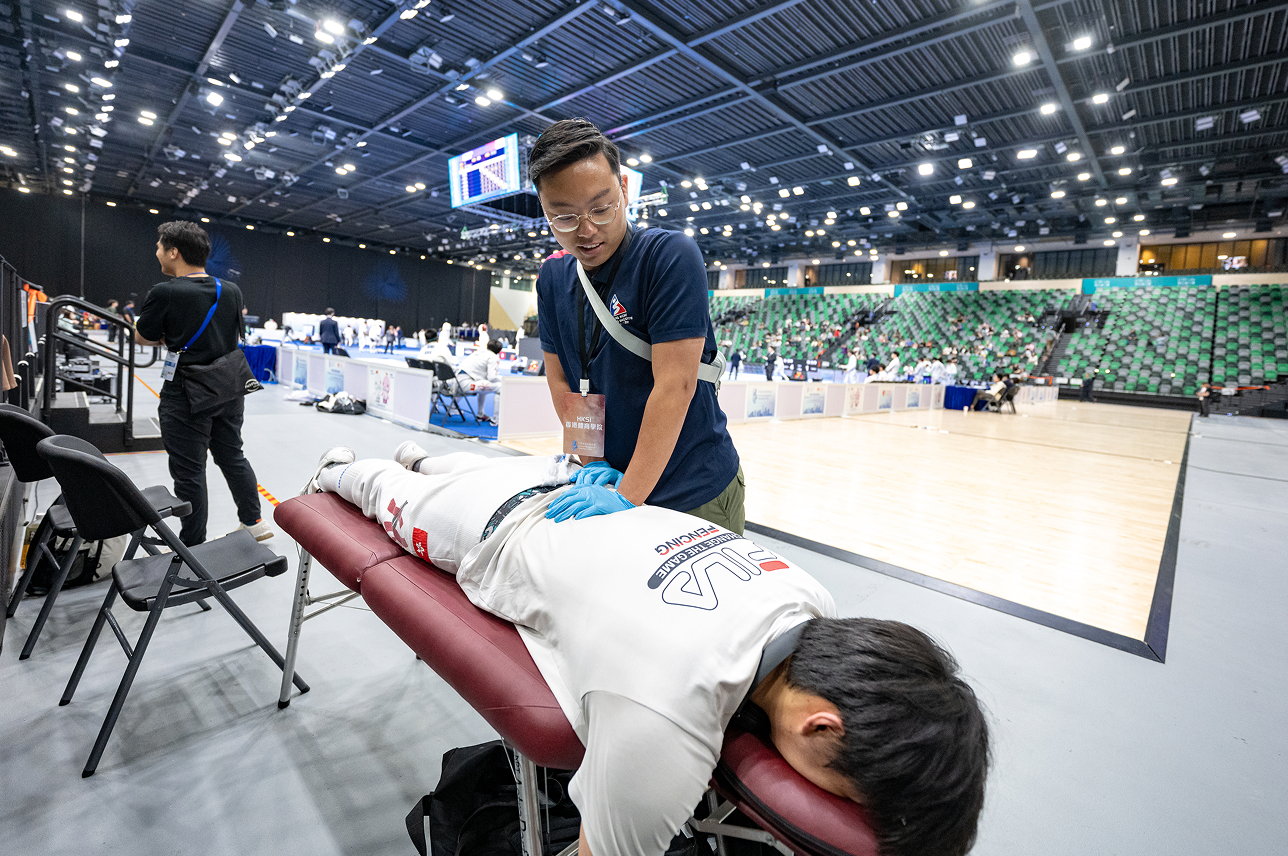
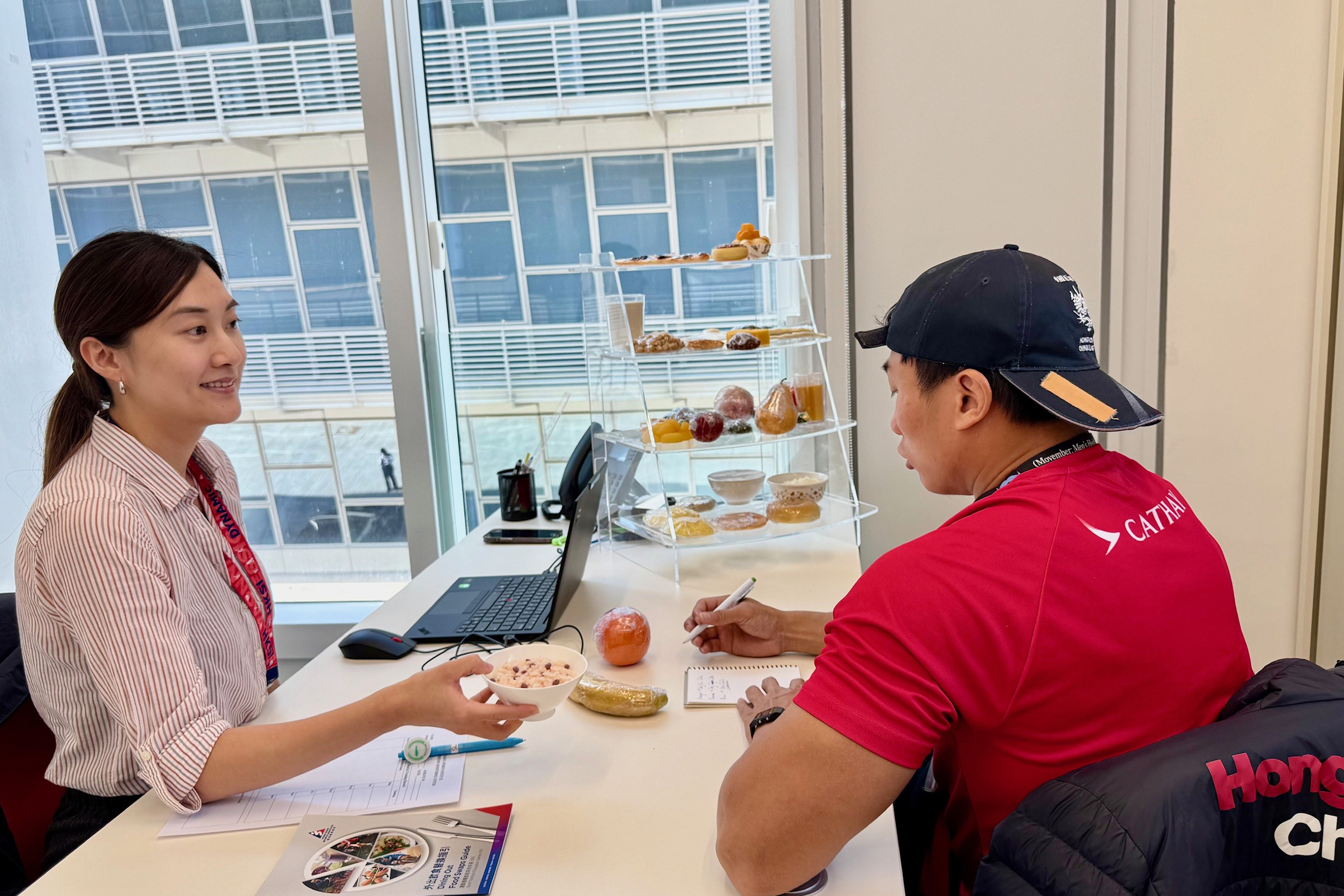
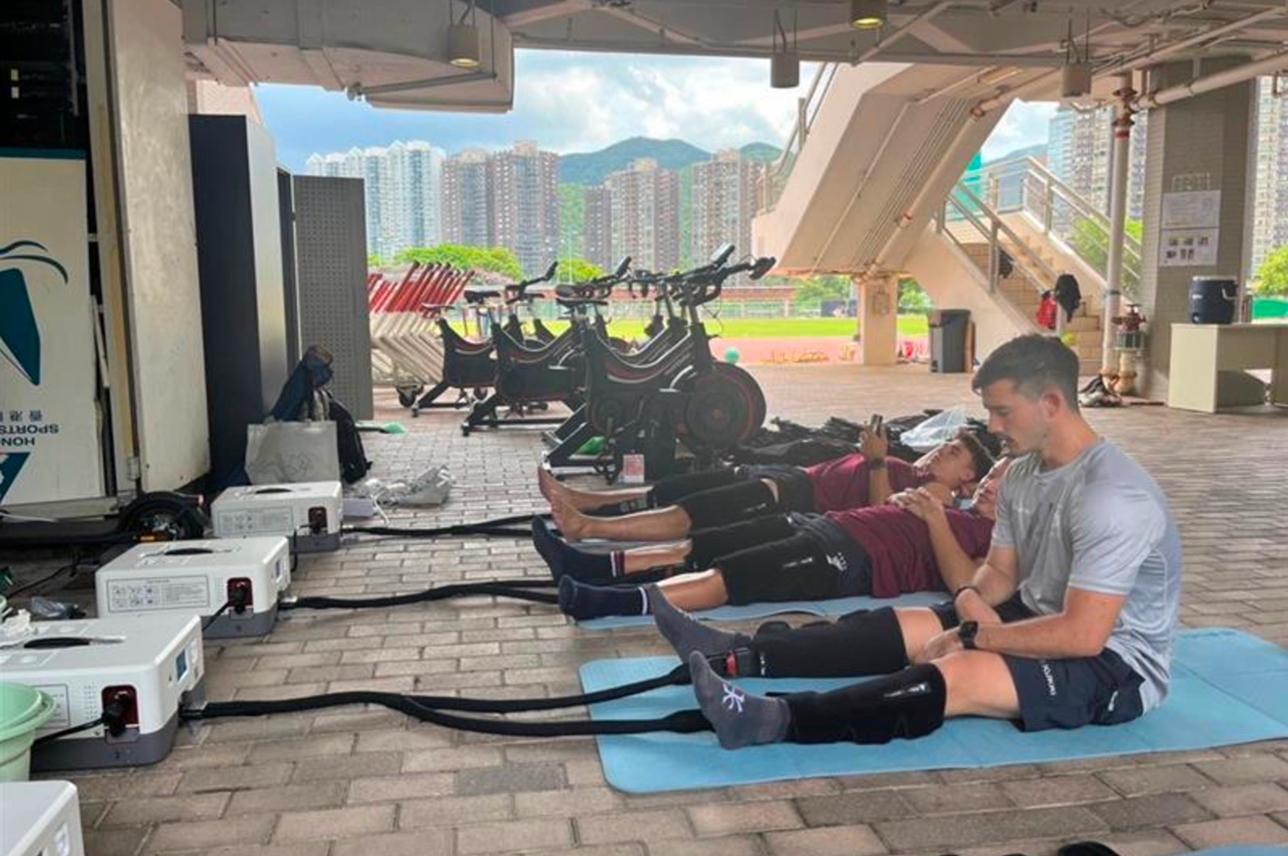
Recognising that optimal athletic performance requires comprehensive support, the Sports Medicine Division delivers integrated, athlete-centred services across three centres: the Sports Medicine Centre, the Sports Nutrition & Monitoring Centre and the Sports Psychology Centre. These centres work in coordination to provide targeted support services based on individual assessments, offering tailor-made solutions for each step of the athlete’s journey to peak performance.
Through continuous assessment and strategic planning, the Division ensures timely medical intervention and effective rehabilitation to facilitate safe return-to-play. Nutrition programmes are aligned with the physiological demands of training and competition, supporting energy management and recovery. Psychological services are embedded within the performance model to enhance mental resilience and focus, delivered through structured individual and group consultations. Collectively, these services contribute to a robust support system that underpins athletic performance and well-being.
Facilities Development Project

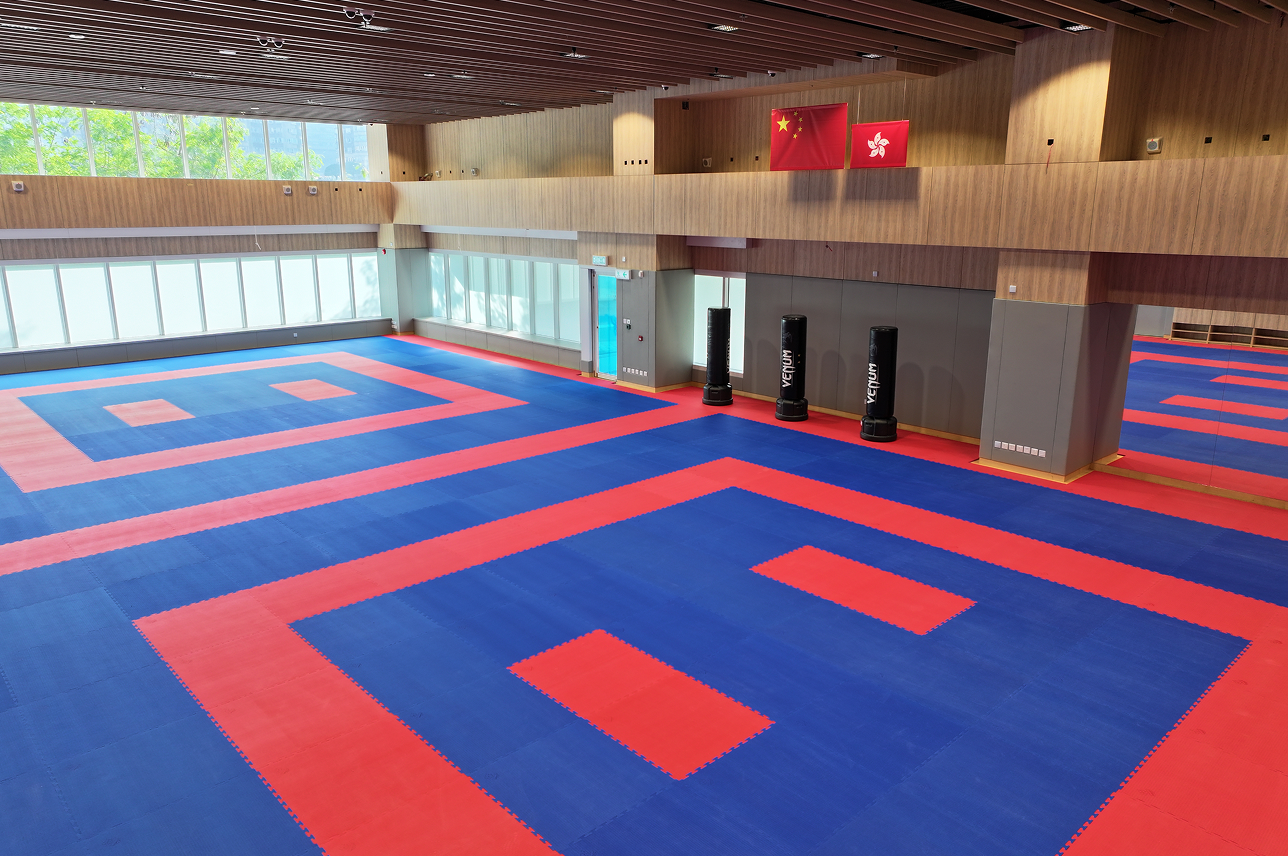
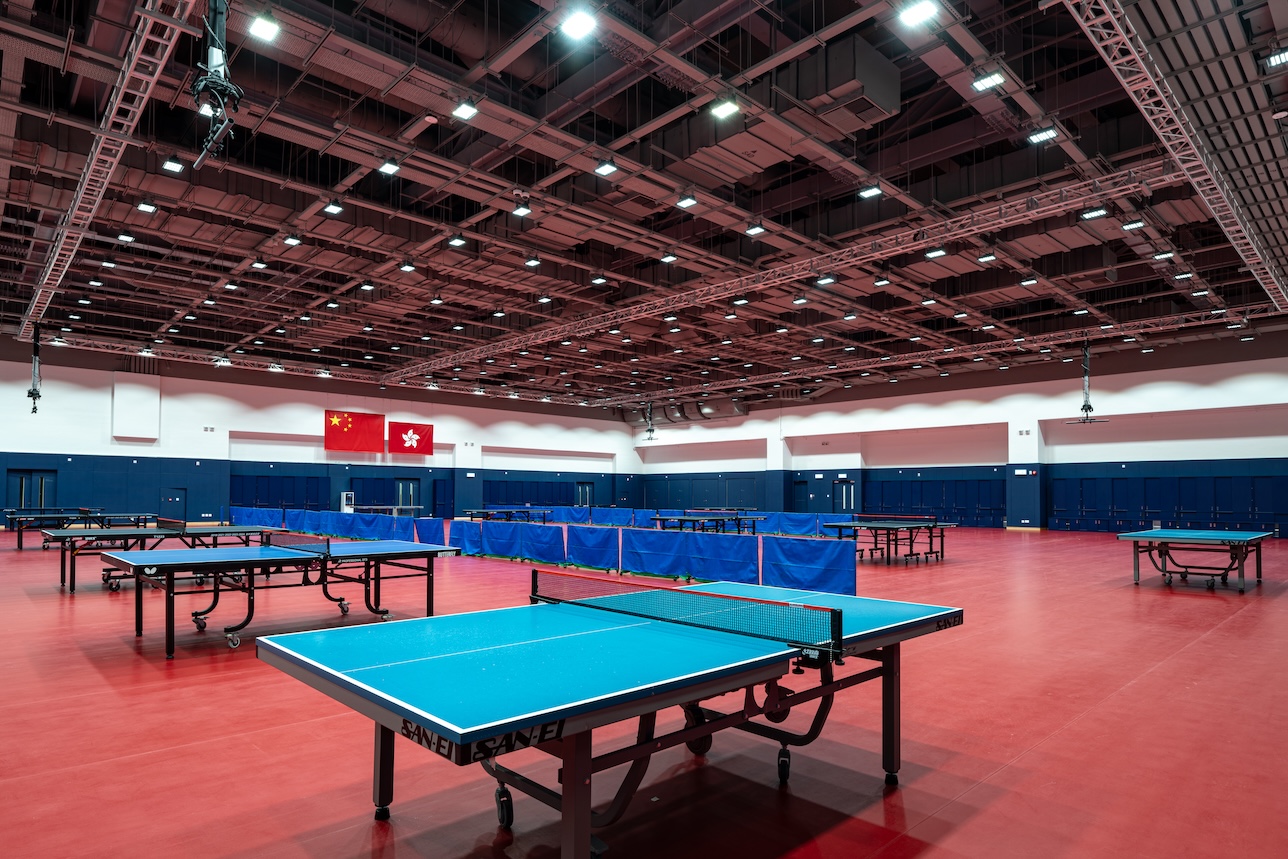
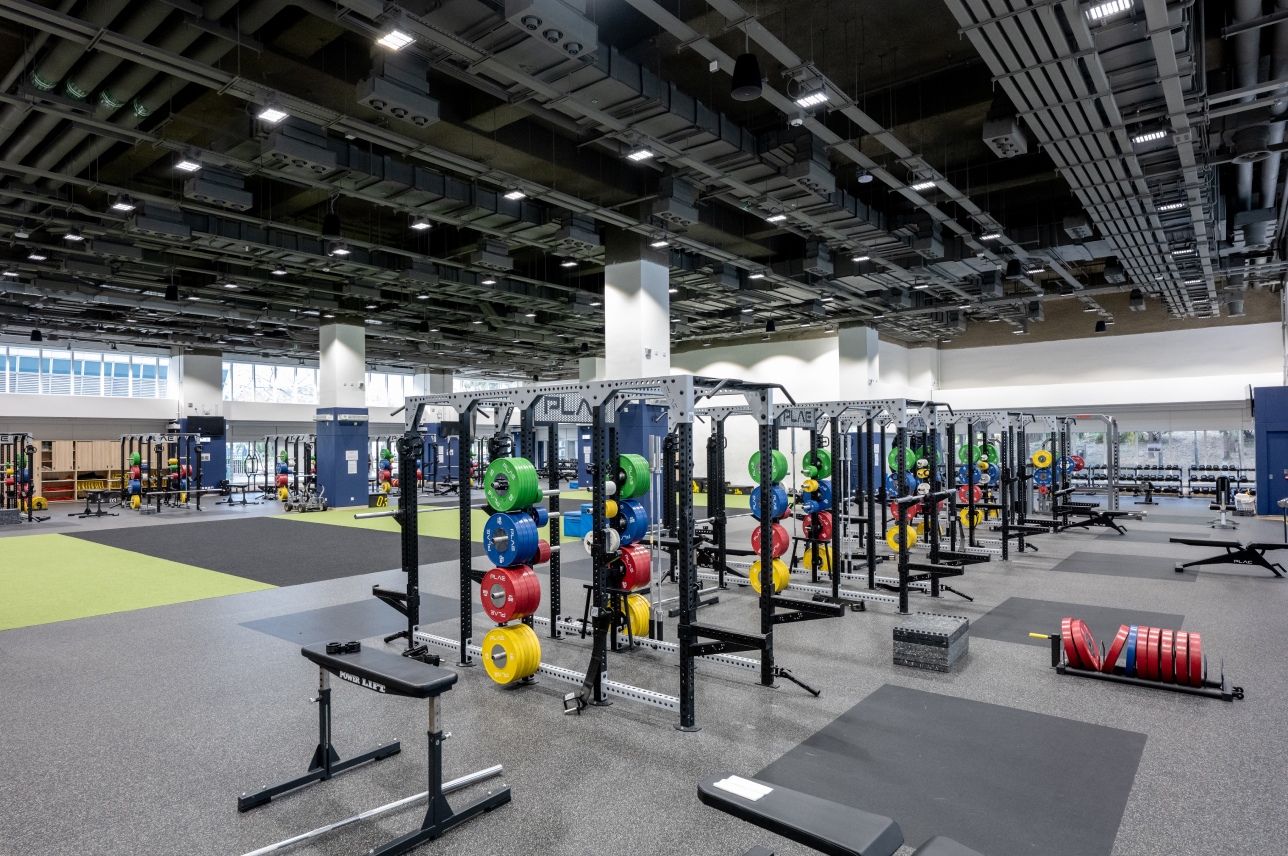
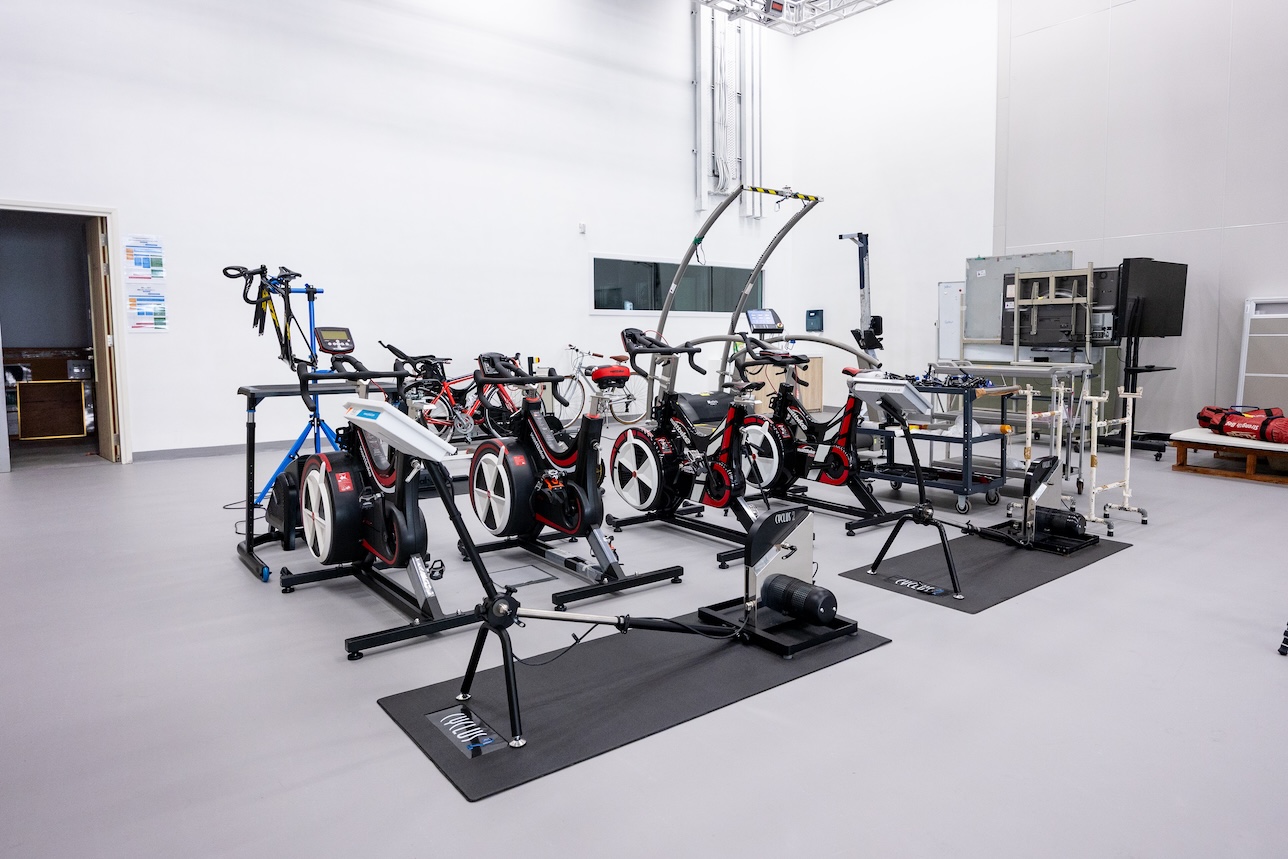
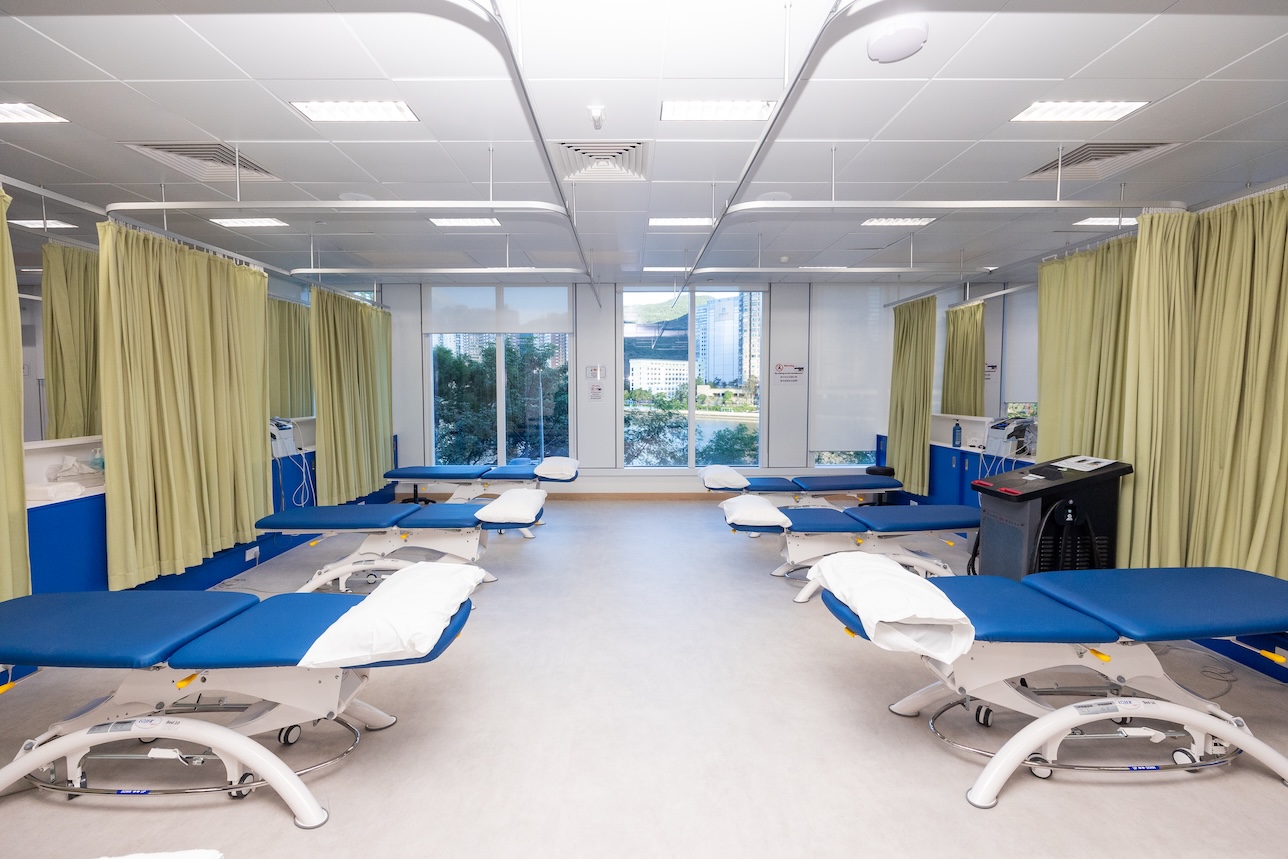
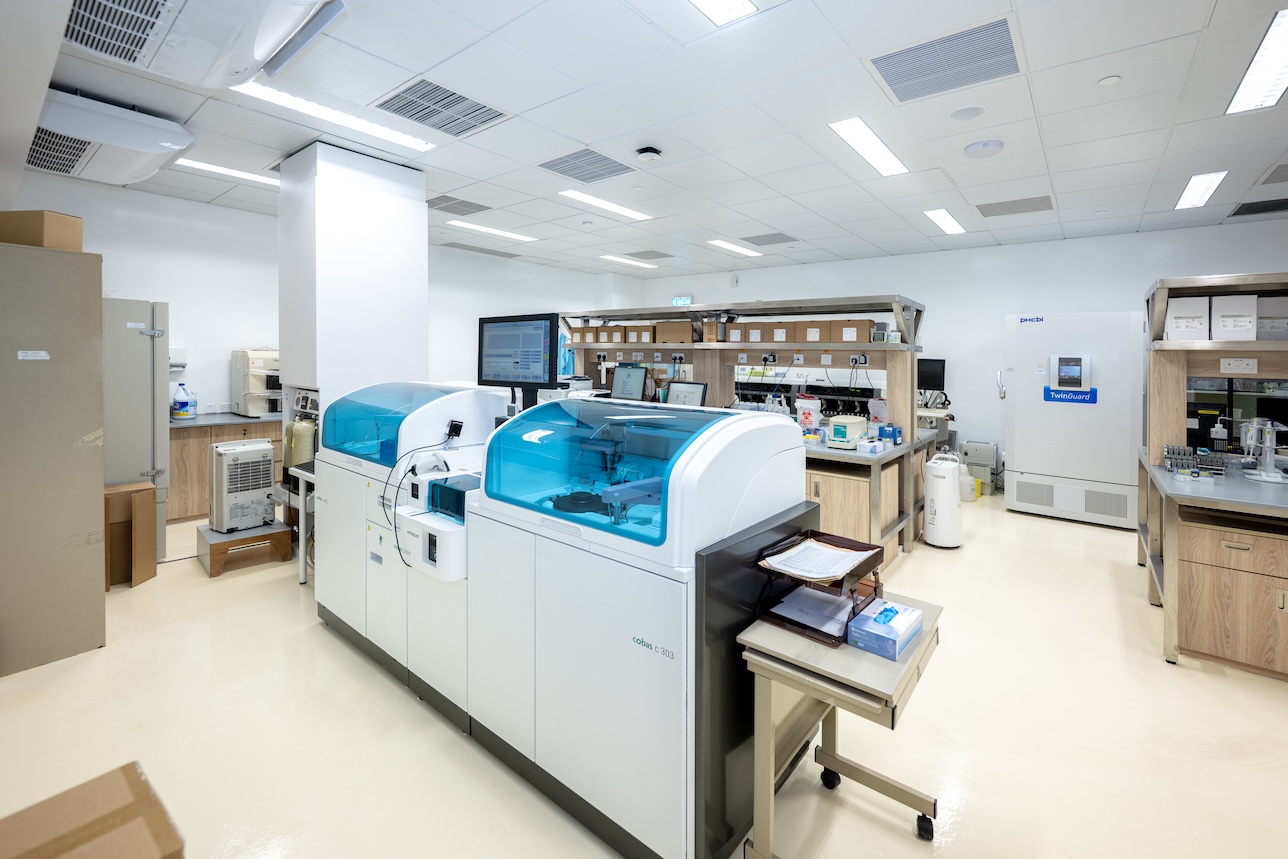
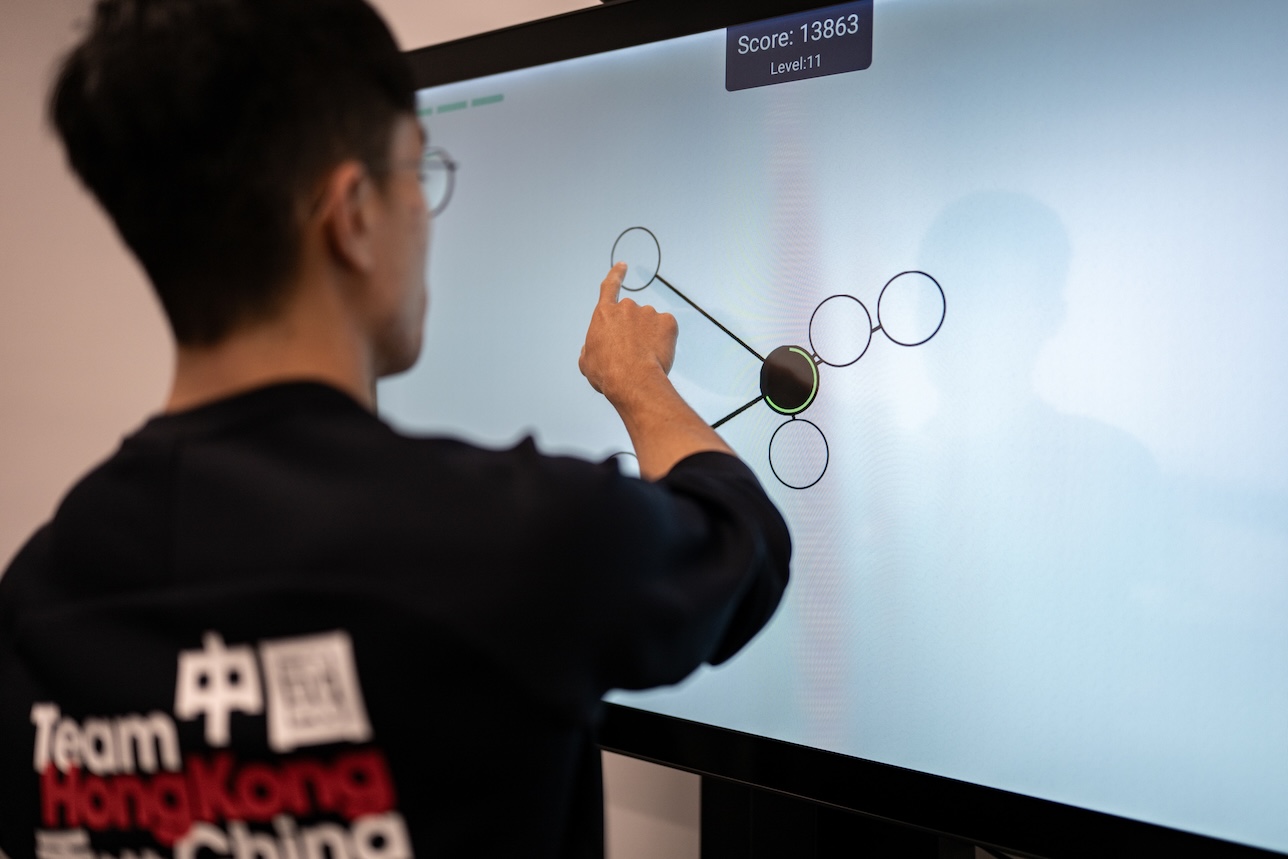
To reinforce its position as a world-class elite sports training systems delivery agent, the HKSI remains committed to providing state-of-the-art facilities that support athletes in achieving excellence at increasingly competitive international events. With the Government’s strong support, the HKSI has undertaken significant infrastructure expansion to meet the evolving needs of a growing number of elite athletes and sports.
Phase One: New Facilities Building
Construction of the New Facilities Building, which is Phase One of the Facilities Development Project (Project), commenced in late 2021 and marked a major milestone in the Project. Officially opened on 4 December 2024, the three-storey building is located between the Rowing Centre and the Swimming Complex, offering a net operating floor area of approximately 9,000m2.
The Building houses dedicated training halls for karatedo and table tennis, alongside two Fitness Training Centres, significantly enhancing training capacity for athletes.
Furthermore, its design and structural layout facilitate integration of advanced sports science and medical services across five key disciplines – Scientific Conditioning, Sports Biomechanics & Technology, Sports Medicine, Sports Nutrition & Monitoring, and Sports Psychology. These purpose-built facilities provide athletes with seamless interdisciplinary support, combining cutting-edge sports science, biomechanics, medical expertise, nutrition, and psychological services to optimise performance and accelerate recovery.
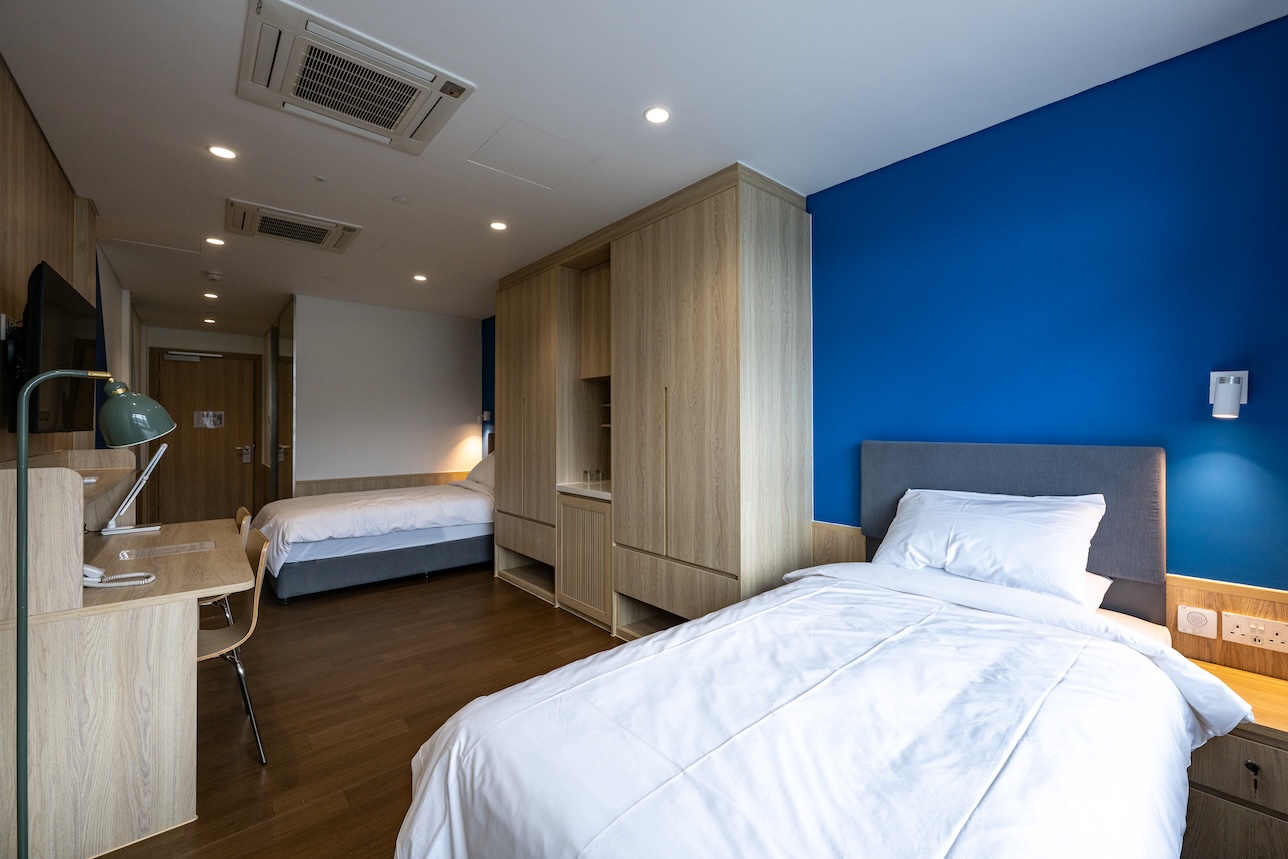
Complementing the training infrastructure and fostering collaboration with international counterparts, the top floor of the Building features a 50-room sports residence, designed to accommodate overseas teams visiting Hong Kong for training or exchange programmes.
Phase Two: Renovation and Repurposing of Sports Complex
As part of the broader Facilities Development Project, Phase Two commenced in the first quarter of 2025 and comprised the renovation and repurposing of the vacated space in the Sports Complex. The Project features a Day Rest Room for athletes, new fencing hall and various training venues for Para sports, amongst other supporting facilities such as offices and meeting rooms.
The renovation and repurposing works are scheduled for completion with occupancy in the first quarter of 2026. This will further enhance the HKSI’s capacity to deliver high performance training and support services, ensuring sustained excellence in elite sports development.

New Facilities Building Opening Ceremony
The Opening Ceremony was officiated by distinguished guests including Hon Mr Lee Ka-chiu, Chief Executive of the HKSAR; Mr Wang Songmiao, Secretary General of the Liaison Office of the Central People’s Government in the HKSAR; Mr Yeung Yun-hung, the then Secretary for Culture, Sports and Tourism; Dr Fok Tsun-ting, President of the SF&OC; Mrs Fung Ma Kit-han, President of the HKPC; Mr Tang King-shing, Chairman of the HKSI; and Mr Tony Choi, Chief Executive of the HKSI on 4 December 2024. Government officials and members of the sports community gathered to witness this significant milestone for the HKSI.
Following the Ceremony, guests toured the new Fitness Training Centres and engaged with karatedo and table tennis athletes, gaining insights into how the enhanced facilities and integrated support services are contributing to athletic performance and well-being.